
In a year filled with conversation around projects like Obsession, Backrooms, and Monster: Lizzie Borden, one thing has become increasingly clear: some of the most memorable visual storytelling isn’t coming from the biggest productions. It’s coming from projects that understand the power of atmosphere.
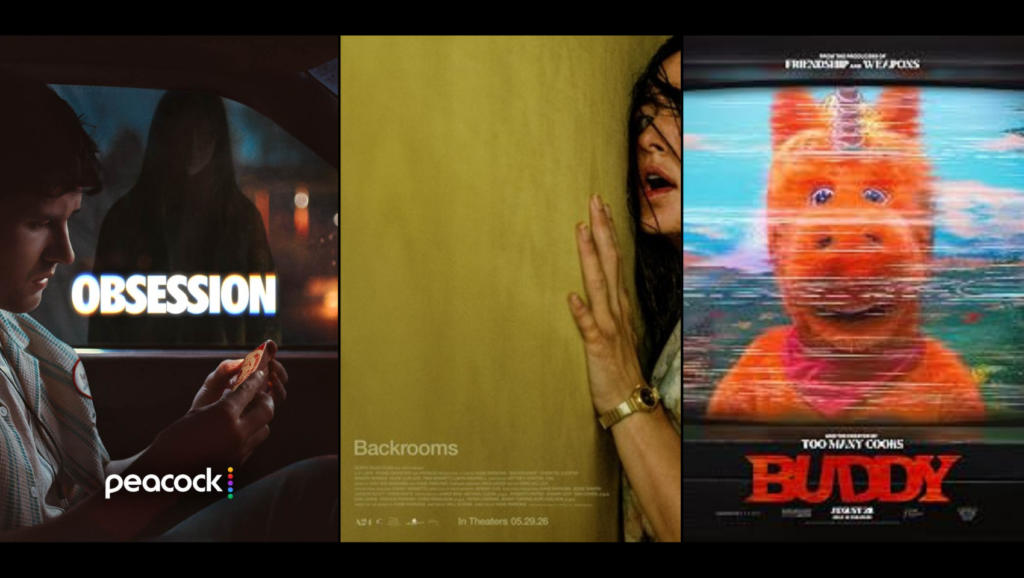
Horror has always occupied a unique place in filmmaking. While many genres rely on scale, the genre often succeeds through limitation. A single practical light source. An empty room. A shadowed corner of the frame. These elements can create tension long before a monster appears or a jump scare lands.
That’s why horror remains one of the most interesting genres for cinematographers. It demands more than simply lighting a scene. It requires shaping emotion, controlling what the audience sees, and perhaps more importantly, deciding what they don’t.
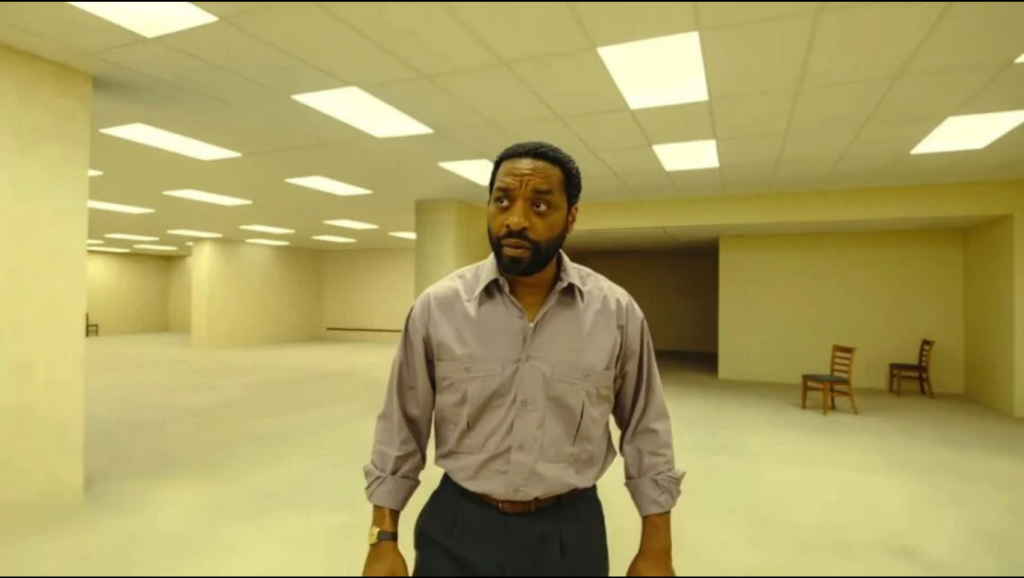
One of the strongest examples this year is Backrooms. The concept is deceptively simple: endless fluorescent-lit spaces, repetitive architecture, and an overwhelming sense of isolation. Yet much of its impact comes not from what happens within those spaces, but from how they’re presented. Familiar environments become unsettling through composition, perspective, and light. The world feels ordinary at first glance, which is precisely what makes it so effective.
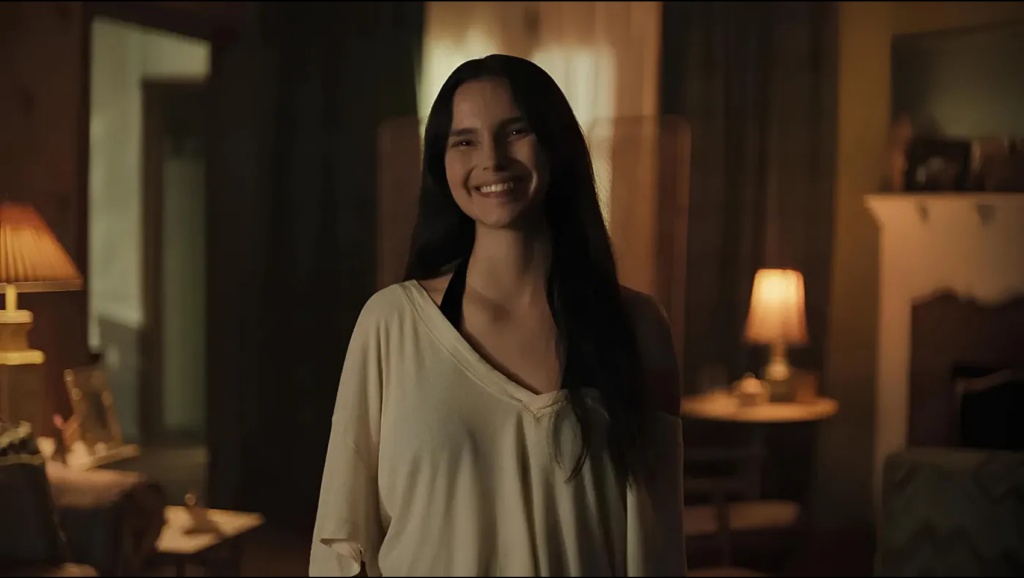
Obsession takes a different approach. Rather than relying solely on shocking moments, it builds tension through visual restraint. Carefully controlled color palettes, deliberate framing, and an ongoing sense of unease allow the atmosphere to do much of the heavy lifting. The result is a reminder that suspense is often most effective when it develops gradually, one frame at a time.
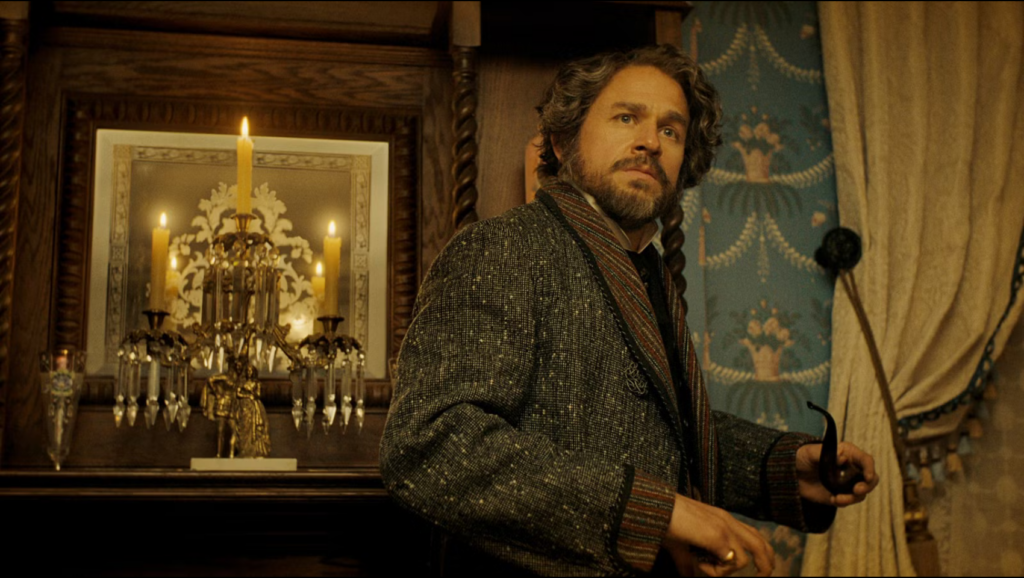
Series such as Monster: Lizzie Borden further demonstrate horror’s versatility as a visual medium. Period settings present their own creative challenges, often requiring cinematographers to work within motivated sources while maintaining a distinct mood. Candlelight, window light, lanterns, and deep shadows become part of the storytelling language, helping to establish both place and emotion without drawing attention to themselves.
The common thread between these projects isn’t budget or spectacle. It’s intention.
Great horror understands that audiences don’t need to see everything. In fact, they often become more engaged when they don’t. Darkness can be just as expressive as illumination. Negative space can create anticipation. A carefully placed practical can shape a scene’s emotional tone before a single line of dialogue is spoken.
This creative freedom is one reason horror continues to attract visual innovators. The genre rewards experimentation. It embraces unconventional compositions, bold lighting choices, and distinct visual identities. Filmmakers are encouraged to take risks, trusting mood and atmosphere to carry as much narrative weight as plot.
For cinematographers, that’s part of the appeal. Horror offers a unique opportunity to use light as more than a technical necessity. It becomes a storytelling device. A source can reveal, conceal, isolate, comfort, or unsettle, often within the same scene.
As audience expectations continue to evolve, horror remains a powerful reminder that memorable filmmaking isn’t always about showing more. Sometimes it’s about showing less. Creating tension through atmosphere, guiding attention through lighting, and allowing viewers to participate in the experience through their own imagination.
In a medium built on images, few genres understand that power better than horror.


